

Bulk Sizes
Our ingredients are proven to improve your dogs health.
OUR RECIPES


Subscriptions







More Than a Walk. Local Care You Can Trust.

More Than a Walk. Local Care You Can Trust.
LOCAL DOG WALKING FOR AQUIDNECK ISLAND
Pet CPR & First Aid Certified • Personalized Walks • Easy Booking Options
Mental stimulation through sniffing and exploration
Does your dog food provide a balanced diet for your pup?
We recommend these key components to designing the healthiest recipe for you dog's health.

Protein helps support strong muscles and everyday body function, fats provide concentrated energy and help support skin and coat health, and carbohydrates can supply digestible energy as part of a thoughtfully balanced recipe.
That balance is what helps turn a meal into meaningful nutrition. Our recipes are carefully crafted to bring these key nutrients together in a way that helps support your dog’s energy, condition, and day-to-day vitality.
See the benefits of all of our locally sourced ingredients!
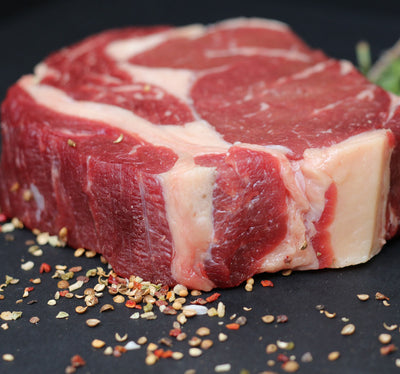
BEEF
Beef is an excellent protein source and has been used in commercially available pet foods for decades. It also has a wide variety of nutrients including vitamin B12 and B6, zinc, selenium, niacin, phosphorus, riboflavin, iron, and choline.

SPINACH
Spinach can play a supportive role in a dog’s healthy diet because it contains vitamins, minerals, and antioxidants that help support overall wellness. It is best used in moderation as part of a balanced recipe, since too much spinach is not ideal for every dog and should not replace the main sources of protein and complete nutrition.
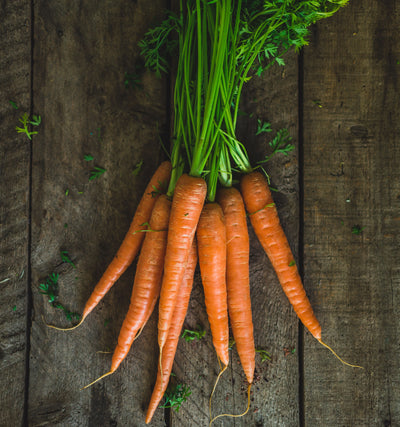
CARROTS
Crunchy and naturally sweet, carrots are loved by most dogs. They’re loaded with carotenoids, fiber, vitamins C and K (which aids in blood clotting to help wounds heal), as well as potassium. They also have magnesium, manganese, most of the B vitamins, and phosphorus, which is required for energy production, among other things.

QUINOA
Quinoa can be a helpful addition to a dog’s healthy diet because it provides a gentle source of carbohydrates along with fiber, protein, and important nutrients that support energy and overall health. When included in a balanced recipe, it can help round out a wholesome meal, but it should be paired with quality proteins and other nourishing ingredients for complete nutrition.

PUMPKIN
Low in calories and high in soluble fiber, pumpkin helps maintain a healthy digestive tract. It is low in sodium and exceptionally high in carotenoids, potassium, and vitamin C; it also has some calcium and B vitamins. Canned organic pureed pumpkin can be found at grocery stores but be sure that it is pure and not a pie filling — it should have no sugar or spices added.
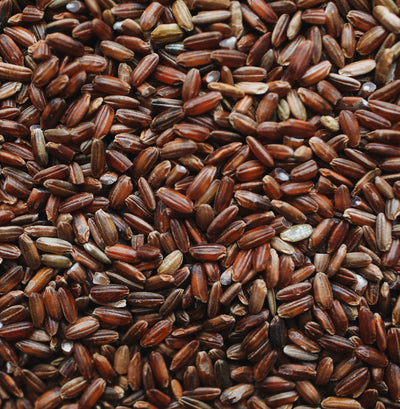
BROWN RICE
Additional fiber from the bran and germ parts of the grain help overweight pets feel full and shed extra pounds, while also optimizing digestive function.Brown rice is packed with essential minerals, such as manganese, iron, zinc, phosphorus, calcium, selenium, magnesium, and potassium.Brown rice is loaded with vitamins, including several B vitamins, vitamin E, and vitamin K.A good source of protein and carbohydrates, brown rice provides easily digestible energy.Brown rice is also a provider of powerful antioxidants excellent for warding off diseases.

CHICKEN
Chicken is a wholesome source of protein for dogs, helping support muscle maintenance, strength, and day-to-day energy. It is also a lean ingredient that fits well into balanced meals made with simple, nourishing foods. Chicken can be a valuable part of a dog’s diet because it delivers quality protein and key nutrients that help support overall health and vitality. When gently prepared and combined with other nutritious ingredients, it helps create a satisfying and well-rounded meal.

KALE
This supercharged leafy green contains loads of vitamins, including A, E, and C. Kale is a good source of antioxidants and helps the liver detoxify the body. It also has anti-inflammatory properties. If your dog has bladder stones or kidney disease, ask your vet before feeding your dog kale; it may need to be avoided.
ADDITIONAL RESOURCES
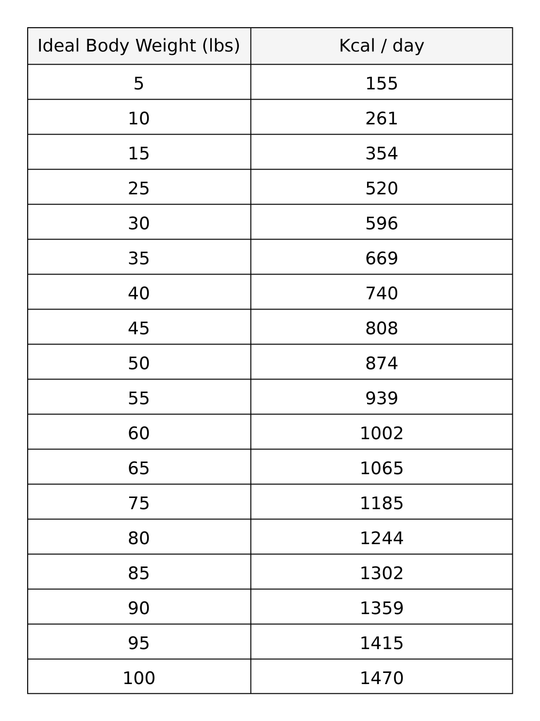
COMPARE SUGGESTED CALORIES
This chart is a general feeding guide that estimates how many calories an average healthy adult dog may need per day based on ideal body weight. The important word is ideal—these numbers are meant to be a starting point for dogs in healthy body condition, not a strict rule for every dog. Veterinary nutrition guidance notes that calorie needs can vary significantly between individual dogs, so feeding amounts should be adjusted by monitoring body weight and body condition over time.
A dog’s actual calorie needs may be higher or lower depending on factors like activity level, age, neuter status, life stage, and overall health. Veterinary guidelines commonly estimate needs from resting energy requirement, then adjust from there for maintenance and lifestyle.